
Wicken to Isleham
part of Cambridge to Isleham
Previous Reach to Wicken
Next Isle of Ely
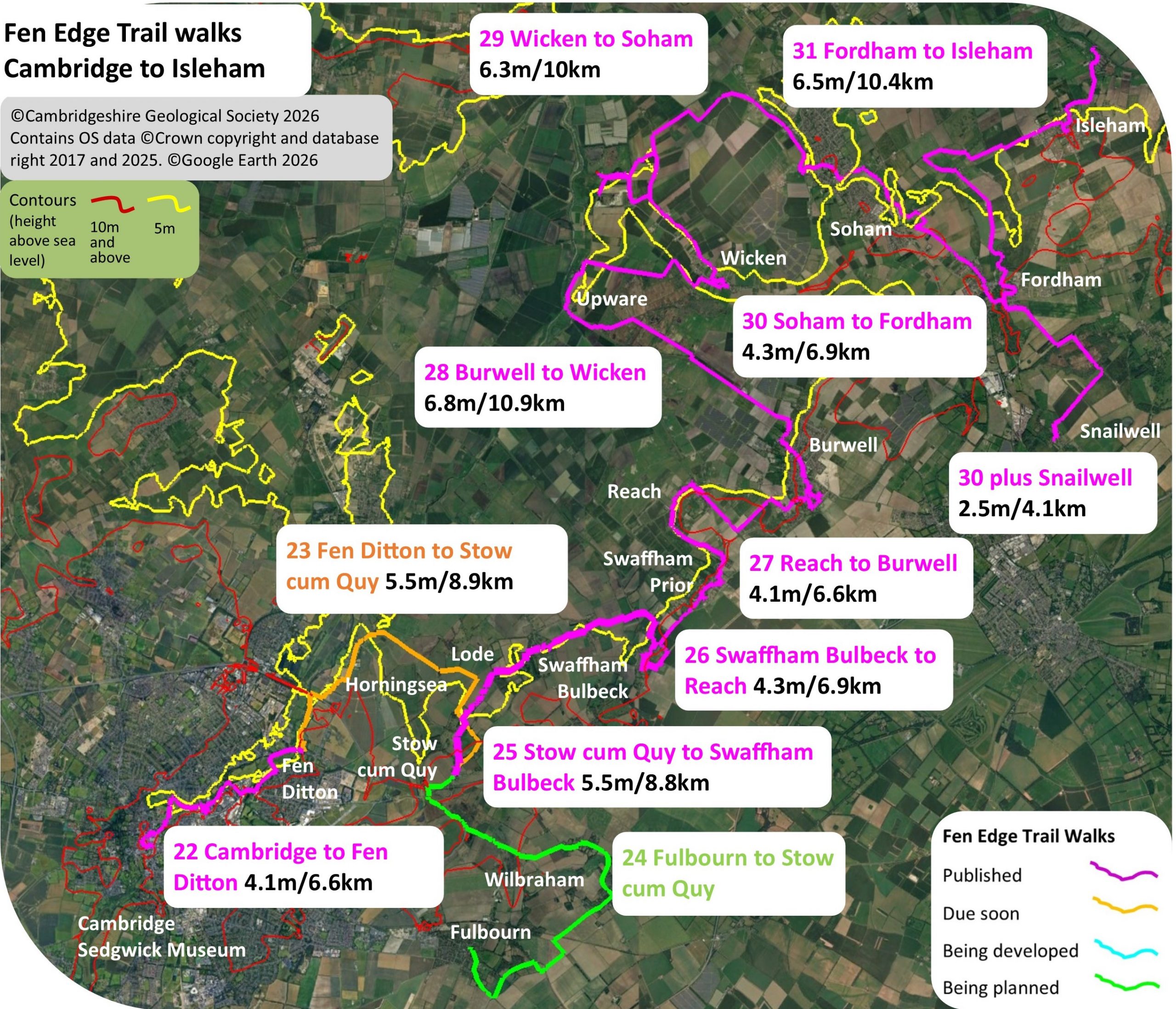
Three walks:
The final three walks of this section from Cambridge to Isleham are the last three on the main Trail from the Lincolnshire border to the Suffolk border.
1 (29) Wicken to Soham – published
2 (30) Soham to Fordham – published
including Fordham to Snailwell addition
3 (31) Fordham to Isleham – published
Download walk guides below
Walk 1 (29): Wicken to Soham
DOWNLOAD WALK GUIDE
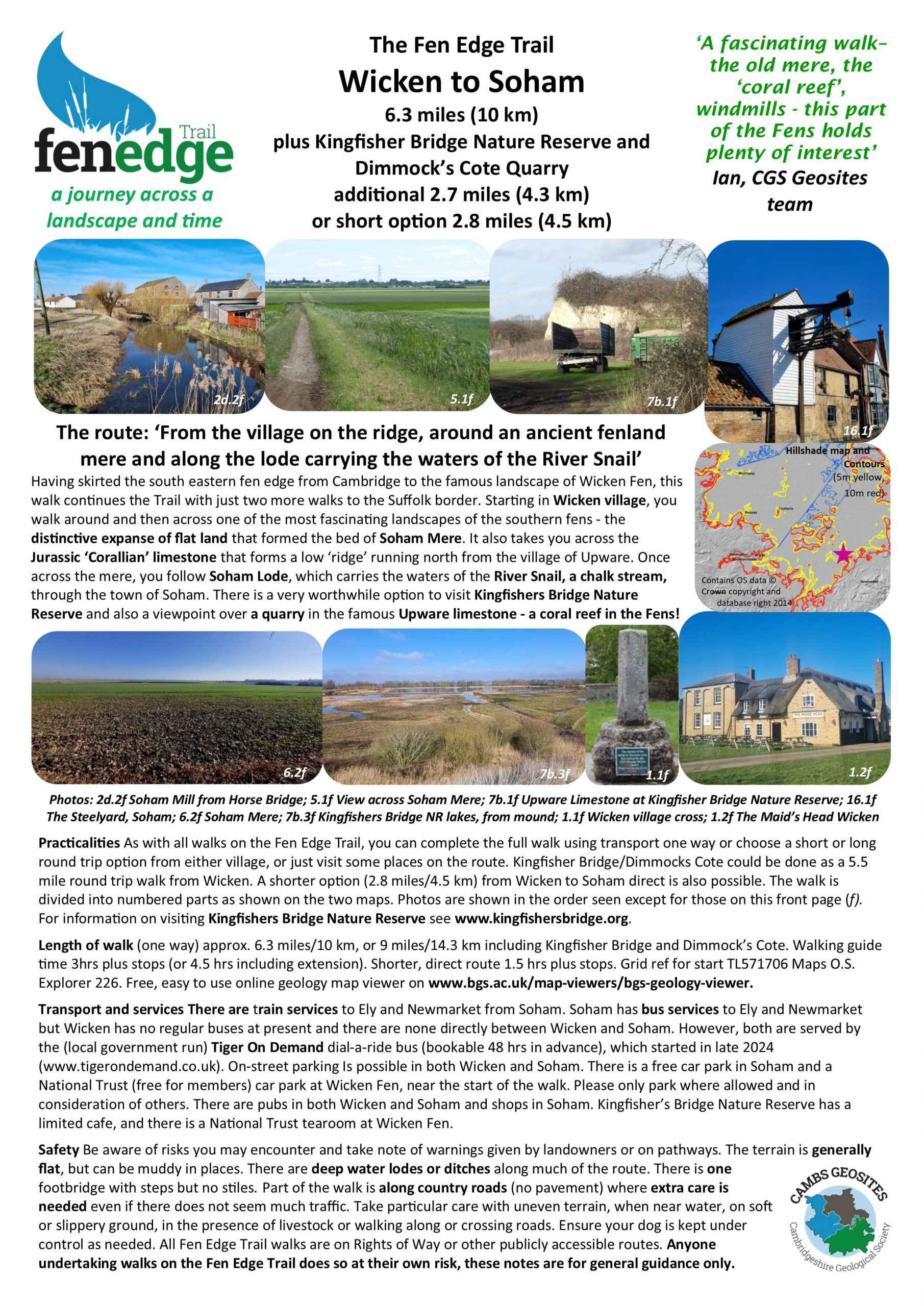
‘A fascinating walk– the old mere, the ‘coral reef’, windmills – this part of the Fens holds plenty of interest’
The route: ‘From the village on the ridge, around an ancient fenland mere and along the lode carrying the waters of the River Snail’
6.3 miles (10 km) plus Kingfisher Bridge Nature Reserve and Dimmock’s Cote Quarry additional 2.7 miles (4.3 km) or short option 2.8 miles (4.5 km)
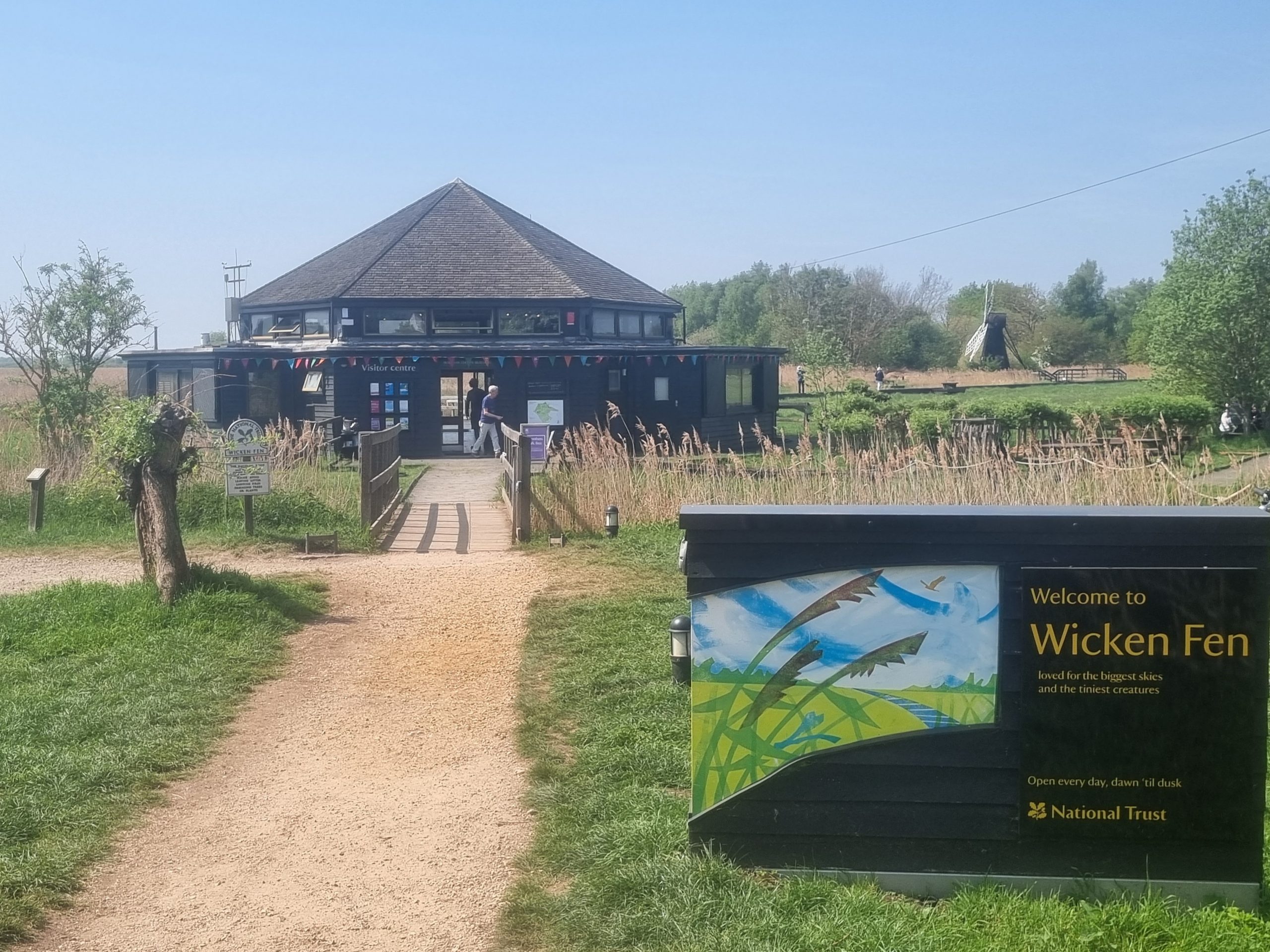
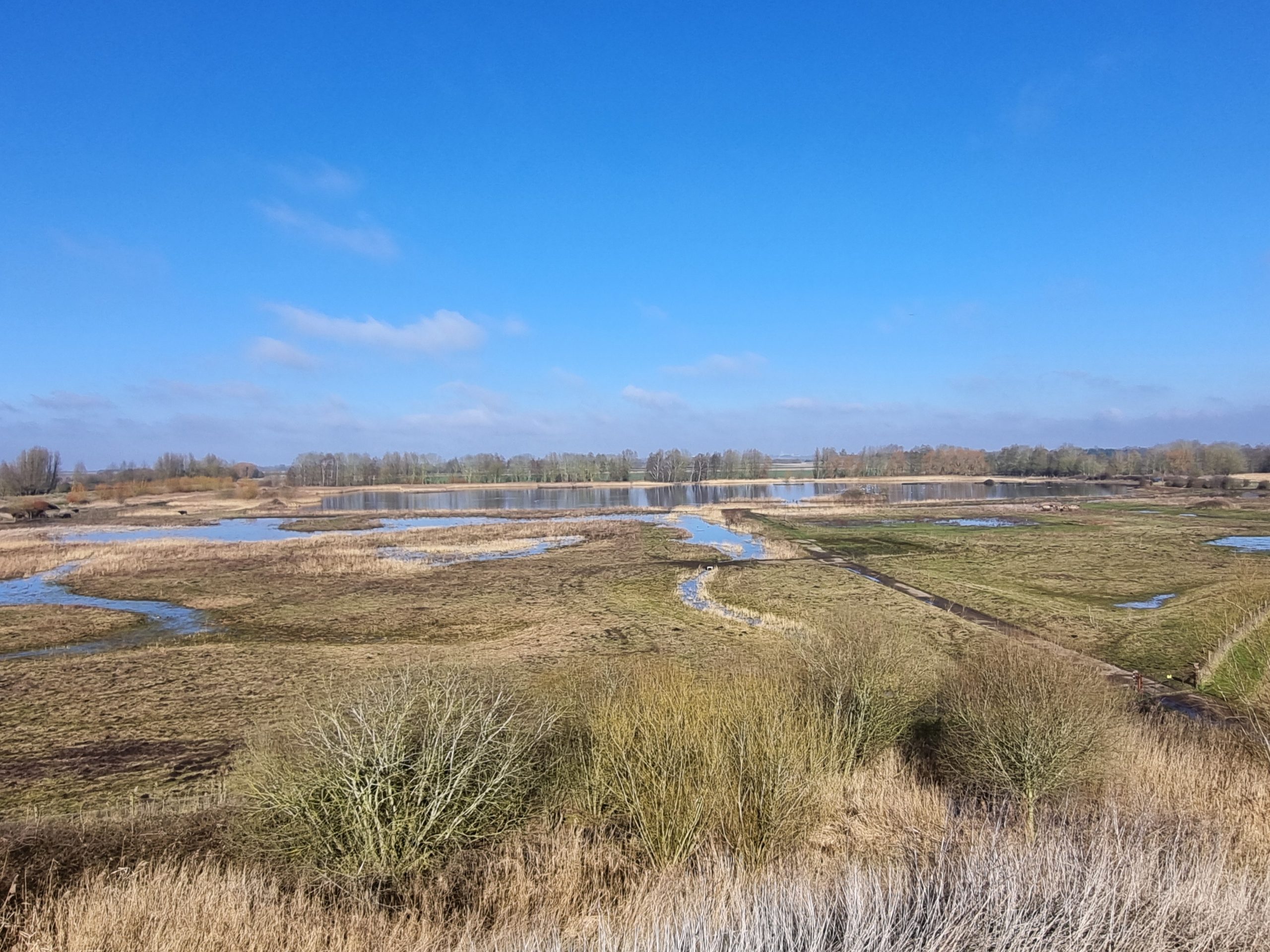
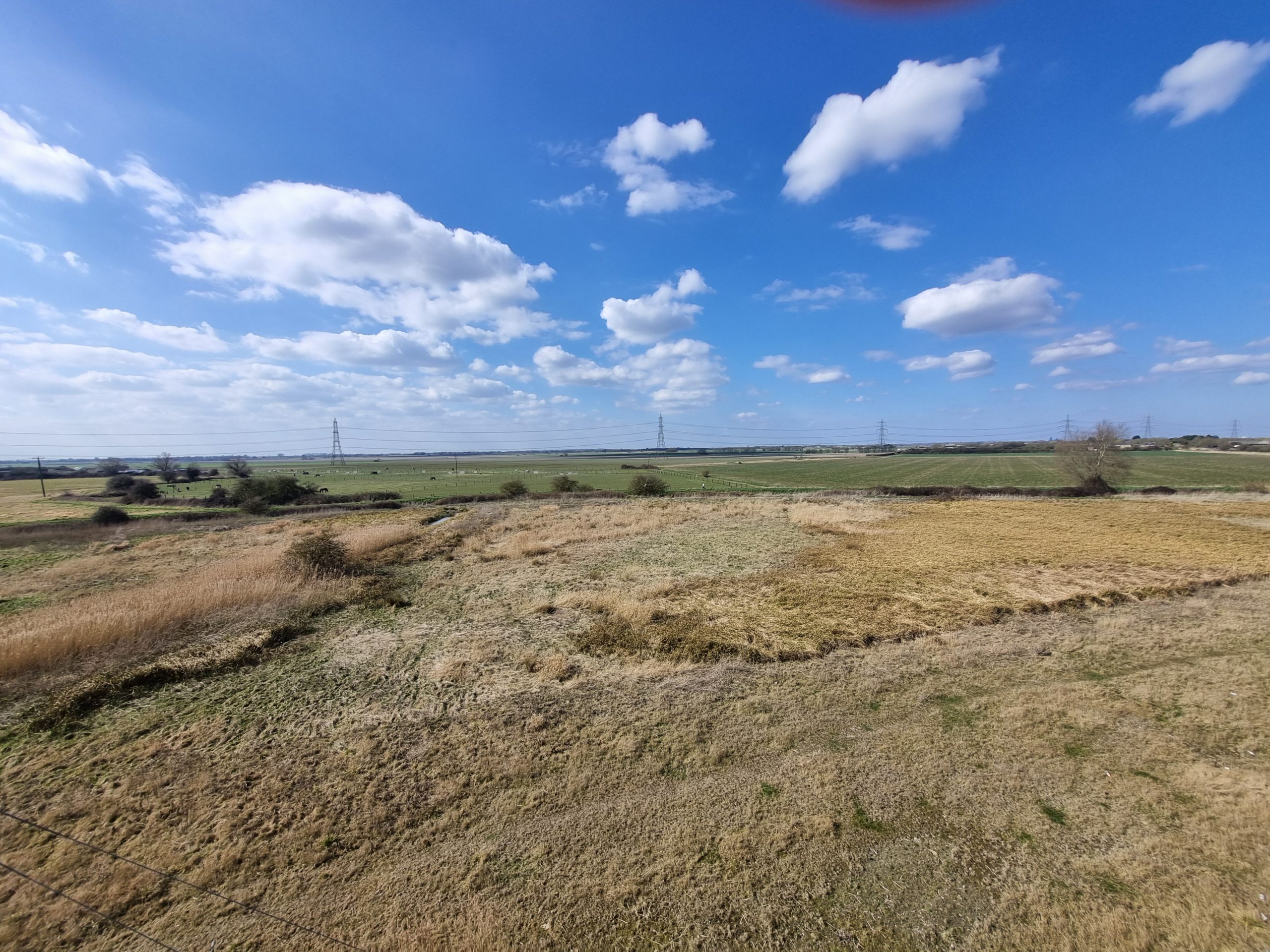
Having skirted the south eastern fen edge from Cambridge to the famous landscape of Wicken Fen, this walk continues the Trail with just two more walks to the Suffolk border. Starting in Wicken village, you walk around and then across one of the most fascinating landscapes of the southern fens – the distinctive expanse of flat land that formed the bed of Soham Mere. It also takes you across the Jurassic ‘Corallian’ limestone that forms a low ‘ridge’ running north from the village of Upware. Once across the mere, you follow Soham Lode, which carries the waters of the River Snail, a chalk stream, through the town of Soham. There is a very worthwhile option to visit Kingfishers Bridge Nature Reserve and also a viewpoint over a quarry in the famous Upware limestone – a coral reef in the Fens!




Landscape and Geology
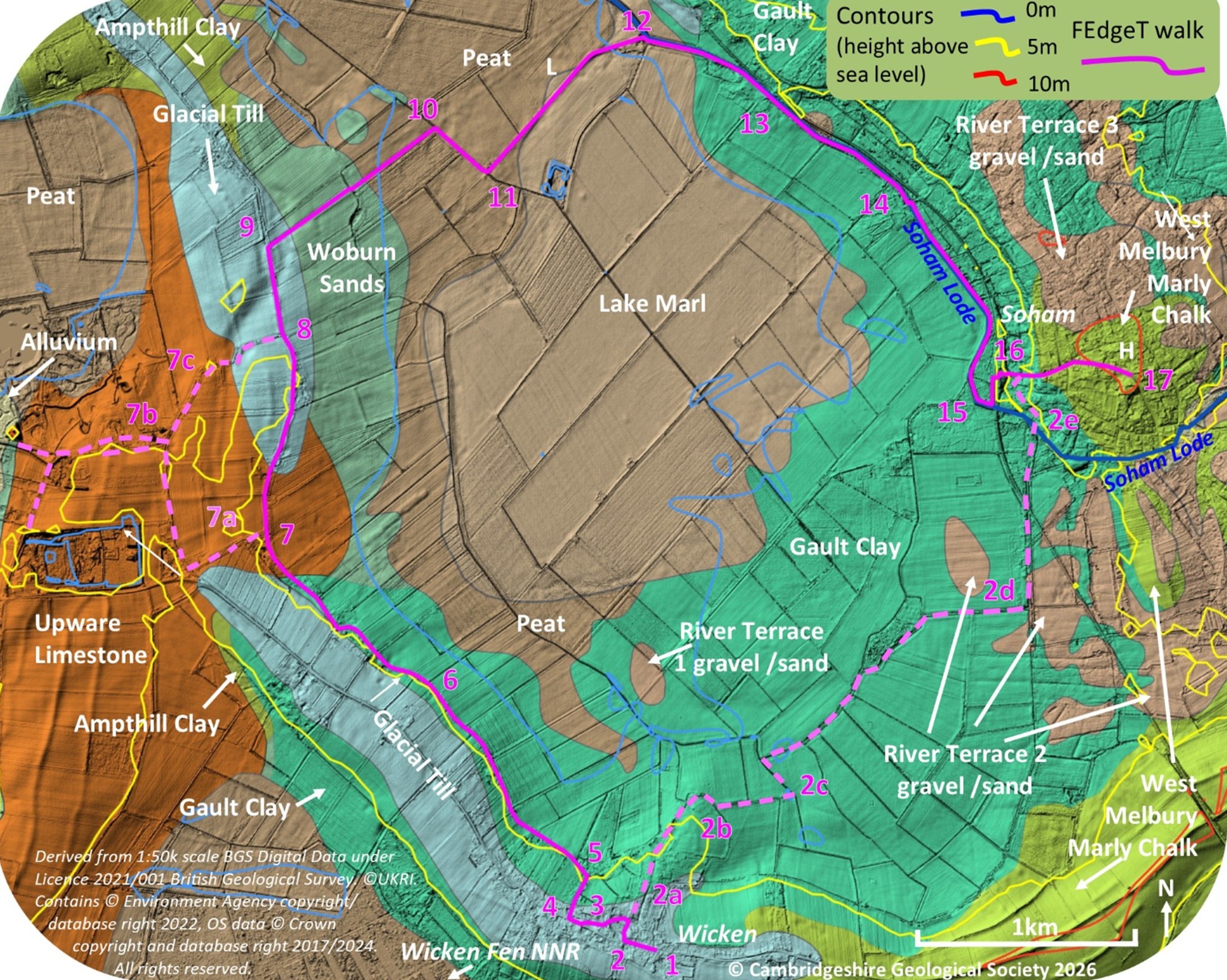
Starting on the Upware to Wicken Ridge, formed from Glacial Till that covers the Gault Clay bedrock, you walk down onto the low lying Gault to follow the edge of what was once Soham Mere. You soon walk across the northern most part of an outcrop of Corallian Limestone, which is viewable by taking a detour to Kingfisher Bridge Nature Reserve and/or (with limited views) Dimmock’s Cote Quarry. After walking across another area of Glacial Till, you pass over sandstone of the Woburn Sands bedrock before reaching the Peat that once surrounded the Mere. As you cross the basin of the mere, you walk over Lake Marl, a fine, calcareous material deposited on the lake bed, over any Peat that had previously built up in this low lying area. The marshy conditions that enabled the build up of Peat occurred over the relatively permeable Woburn Sands bedrock as well as the impermeable Gault Clay. This occurred as there is a thin layer of silty clay under the Peat, enough to impede drainage. This perhaps came from an earlier lake or water channel a few thousand years ago or may be a periglacial deposit from the Pleistocene.
After following Soham Lode across the Gault Clay, you reach the base of the Chalk which is where the walk finishes. The Chalk found here, on the very edge of the Chalk ridge that starts as the northern end of the Chilterns, south west of Cambridge and continues north east into Norfolk, is the Cretaceous West Melbury Marly Chalk. This clay rich chalk forms a gentle slope along the south eastern fen edge. Soham Lode is a continuation of the River Snail, a chalk stream that arises near Snailwell.
Walk 1 (30): Soham to Fordham
DOWNLOAD WALK GUIDE
‘Plenty of flora and fauna to see by scenic Soham Lode, as well as the River Snail and two Grade 1 churches’
The route: ‘From the mereside town, along the lode and up onto the Chalk and a village on the River Snail’
4.3 miles (6.9 km) addition to Fordham Woods 0.8 m 1.3 (km), addition to Chippenham Fen/Snailwell 2.5 m (4.1 km) (missing the end of the walk in Fordham)
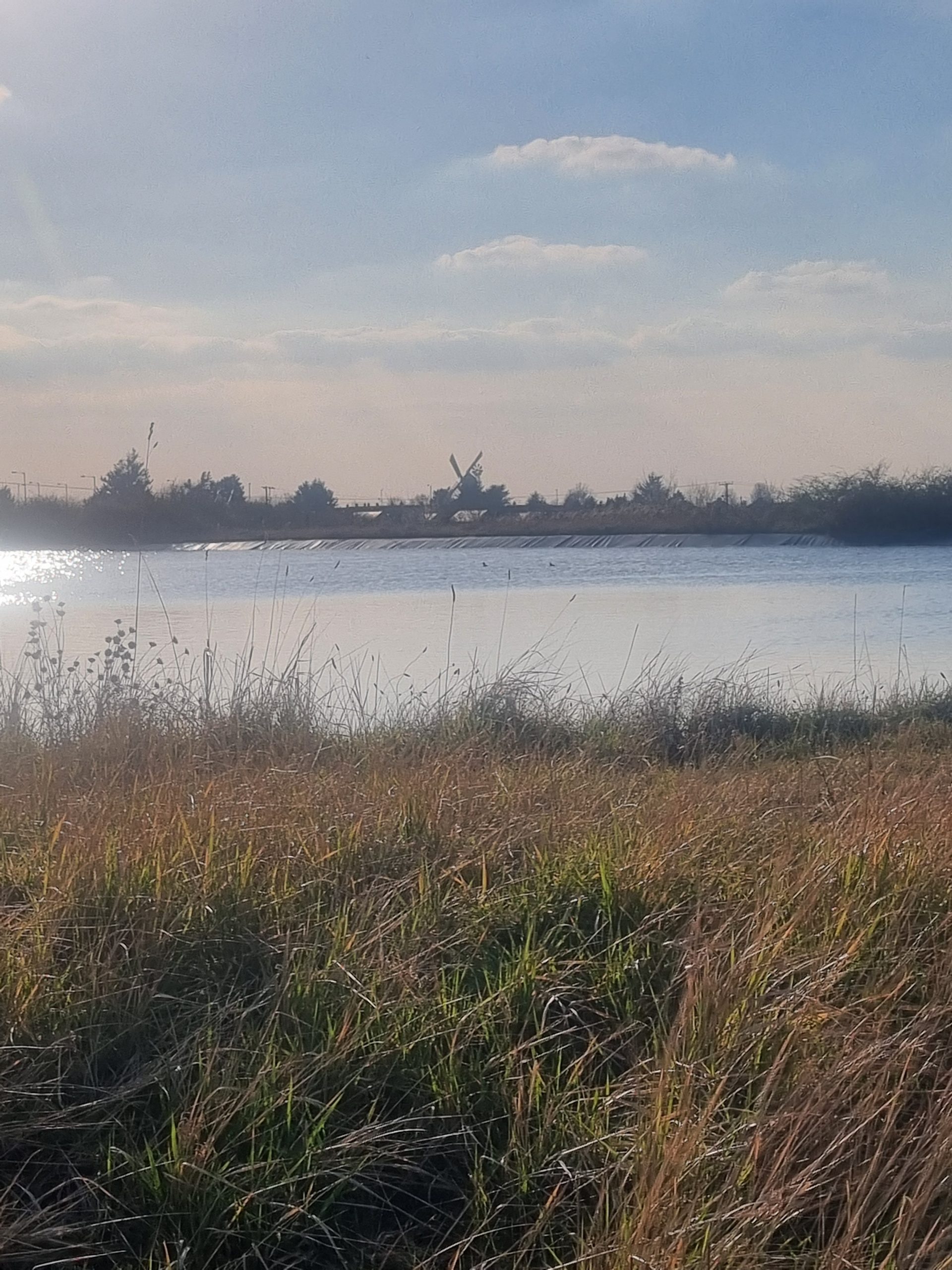
Having arrived in Soham from the west, across the famous mere, the Trail continues towards the Suffolk border on this, the penultimate, walk. Connecting the villages of Soham and Fordham, the walk follows Soham Lode, passing one of Soham’s several Commons, before crossing this significant waterway that now carries the waters of the River Snail towards the Cam. You head south and, in Fordham, re-cross the channel, now flowing as the River Snail itself, a chalk stream. An optional additional walk takes you to the internationally important Chippenham Fen National Nature Reserve and on to the village of Snailwell.

Landscape and Geology
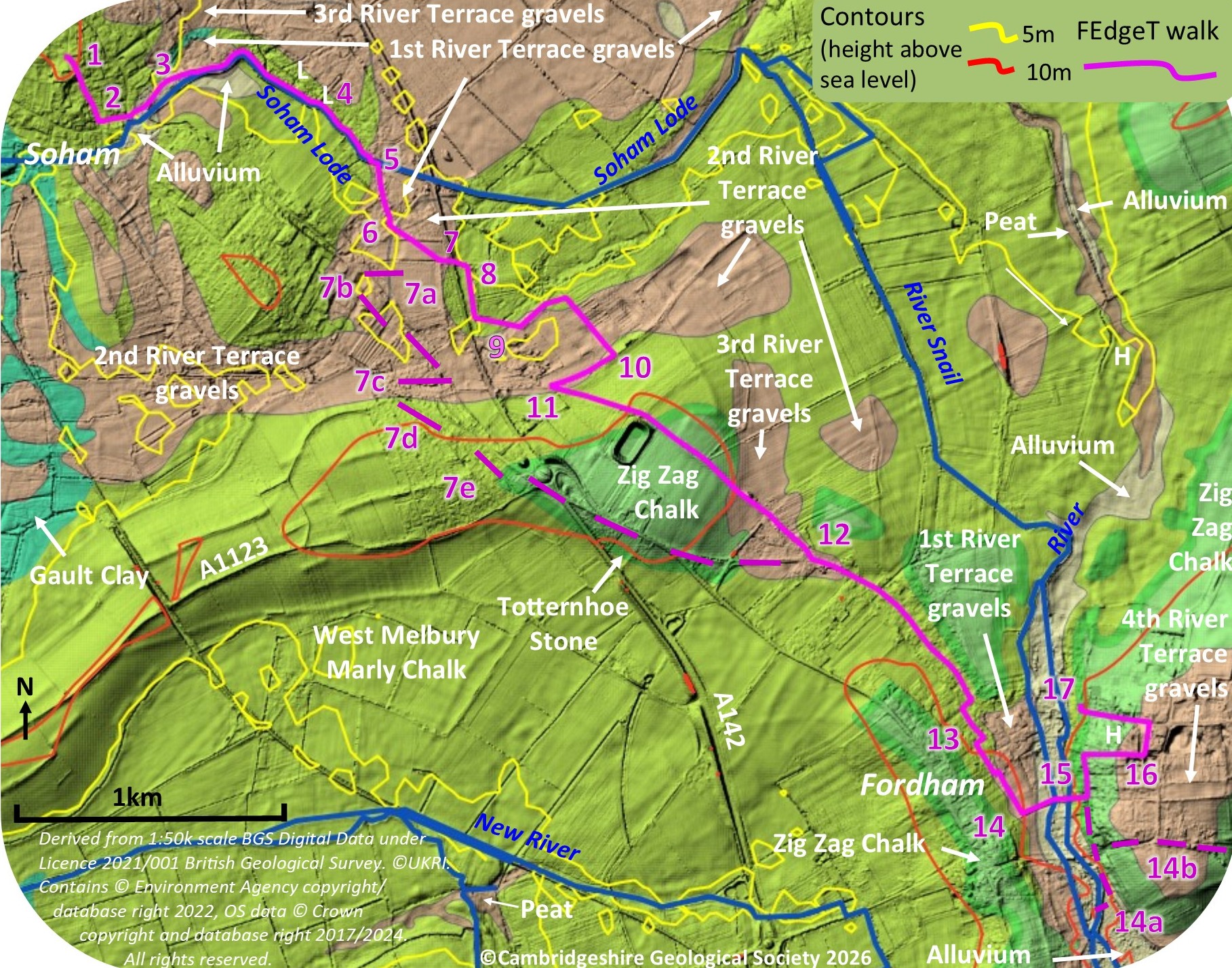
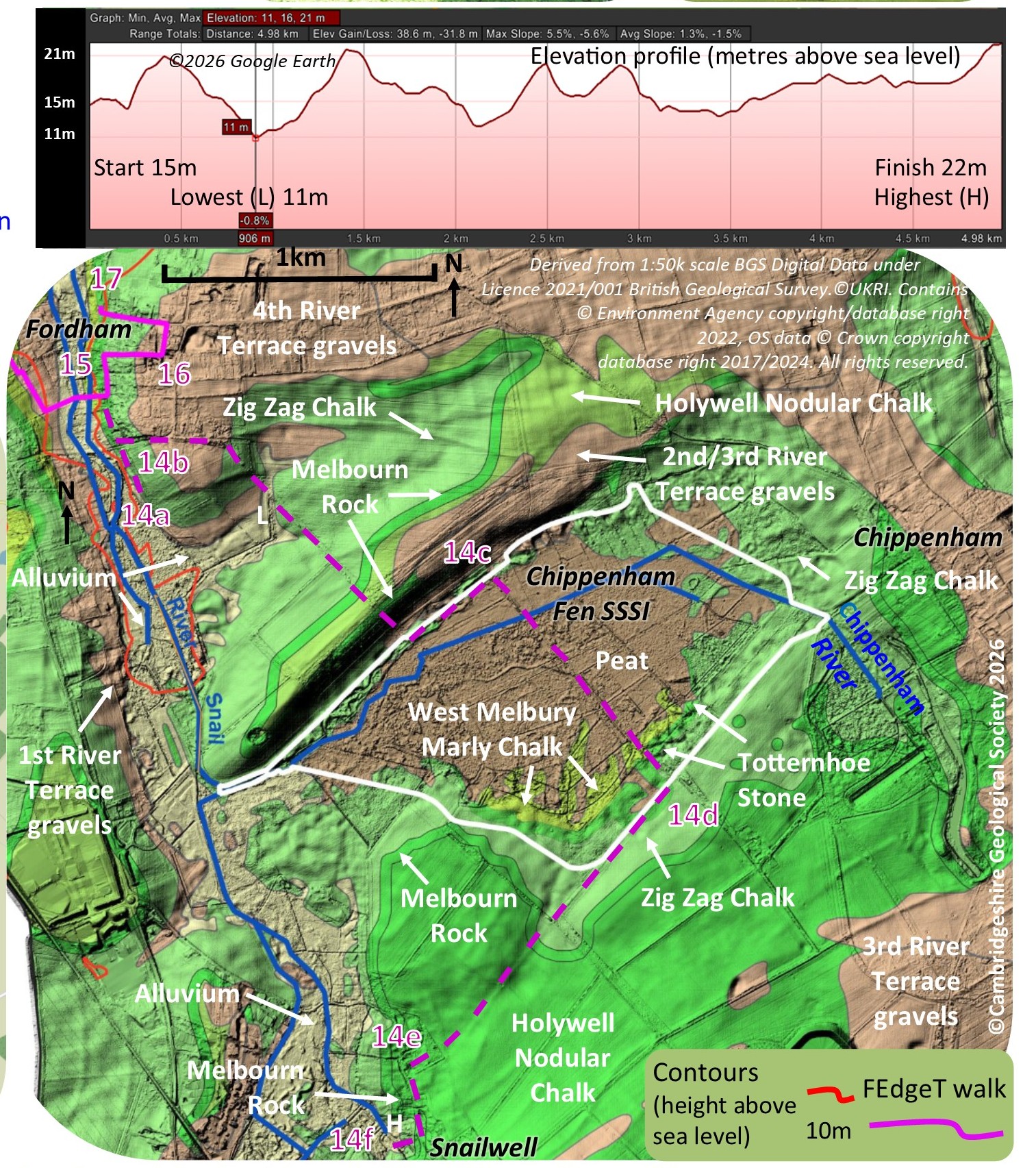
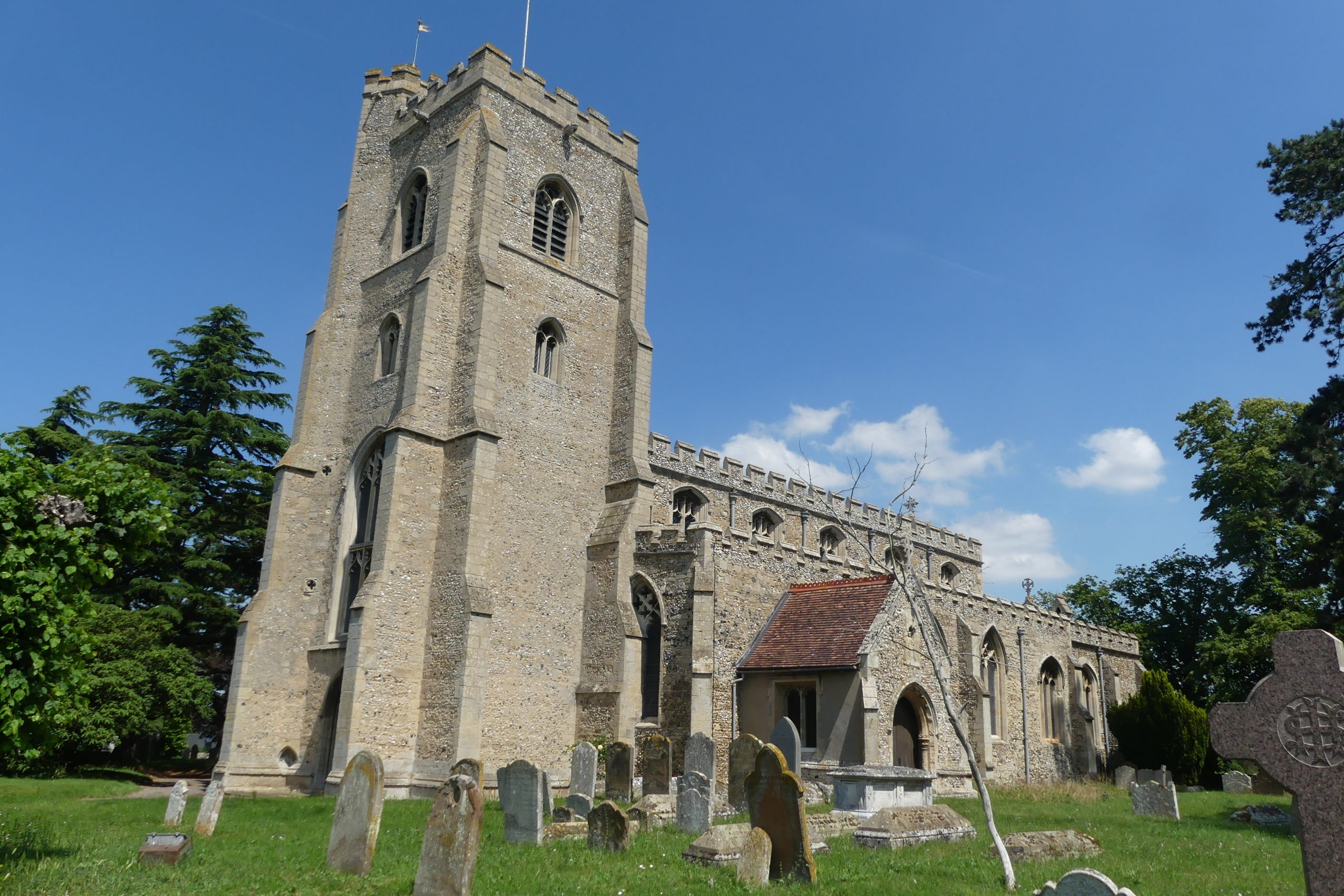
The start of the walk is on the West Melbury Marly Chalk, which underlies most of Soham. Along Soham Lode, you walk along a stretch where Alluvium has been deposited in the past, presumably by a much larger channel (probably a natural water course that pre-dated the lode), which has also eroded a shallow valley. Here, and again a little further along the Lode, you are at only 3m above sea level, the lowest point on the walk. and you then walk over patches of River Sands and Gravels (you may notice the sandy colour of the soil) where the land rises to over 5 metres before some more Chalk, reaching over 10 metres when you cross an area of Zig Zag Chalk which covers the older WMMC. The land rises again when you reach the 1st Terrace gravels along the valley of the River Snail before walking across Alluvium. Finally, you walk again on the higher Zig Zag Chalk and even higher where it is covered by 4th River Terrace sands and gravels, reaching 18 metres above sea level in Fordham near the church.
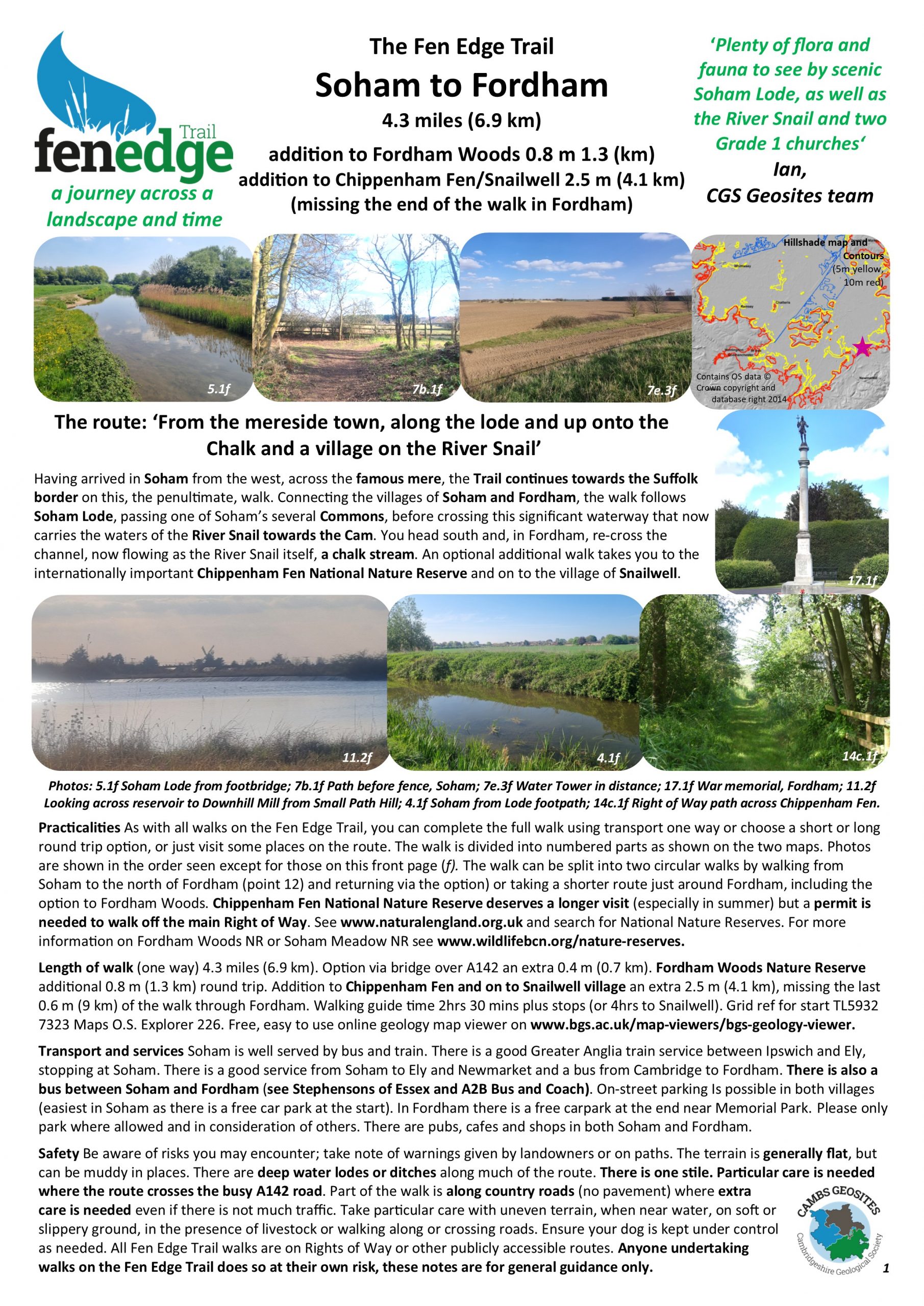
Chippenham Fen is an SSSI (biological), a Ramsar Site (European important wetland site) and part of the Fenland Special Area of Conservation (SAC). Most of it (a slightly smaller area than the SSSI) is also a National Nature Reserve. It has a Right of Way across the Fen (from the north west to the south east. An extended visit can be made by obtaining a permit (in advance from Natural England) to access paths that take you through the biodiverse wetland habitat, one of the best remaining areas of undrained, semi-natural fen in Europe. Sitting in a depression in the Chalk, a fold in the bedrock has resulted in an inlier of older Marly Chalk forming its base, surrounded by a ring of Totternhoe Stone. From this highly fractured hard band, chalk springs arise, creating calcareous fen conditions. The limited drainage allowed a large area of Peat to develop, which varies from a few centimetres to 2m deep.
Walk 3 (31): Fordham to Isleham
DOWNLOAD WALK GUIDE
In partnership with The Isleham Society & Friends of Isleham Nature Reserve
‘Start along a chalk stream, stroll through the fen to a historic village and end at a major fenland river’
The route: ‘From the village on the River Snail to the village near the River Lark – the last walk on the Fen Edge Trail’
6.5 miles (10.4 km)
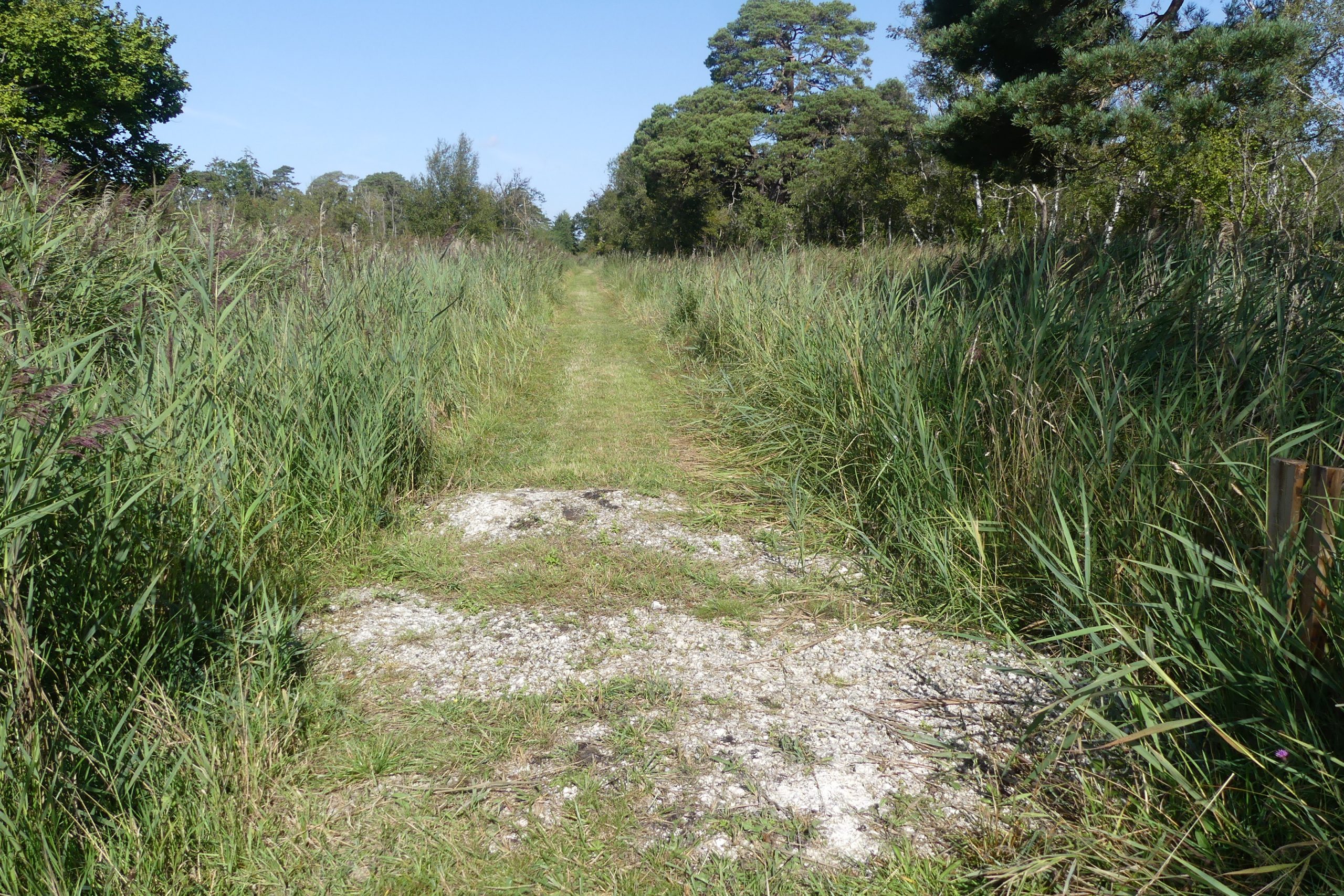
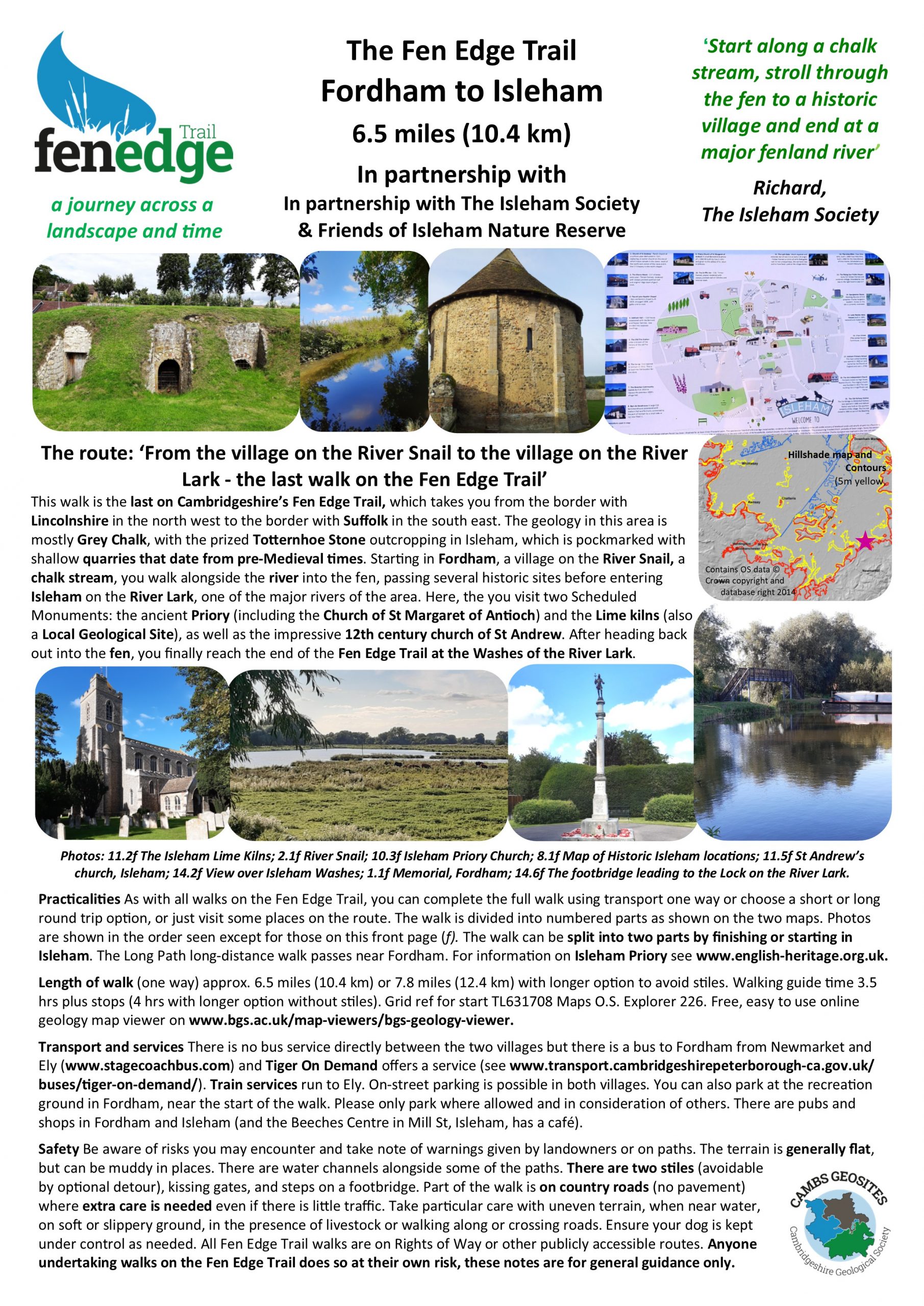
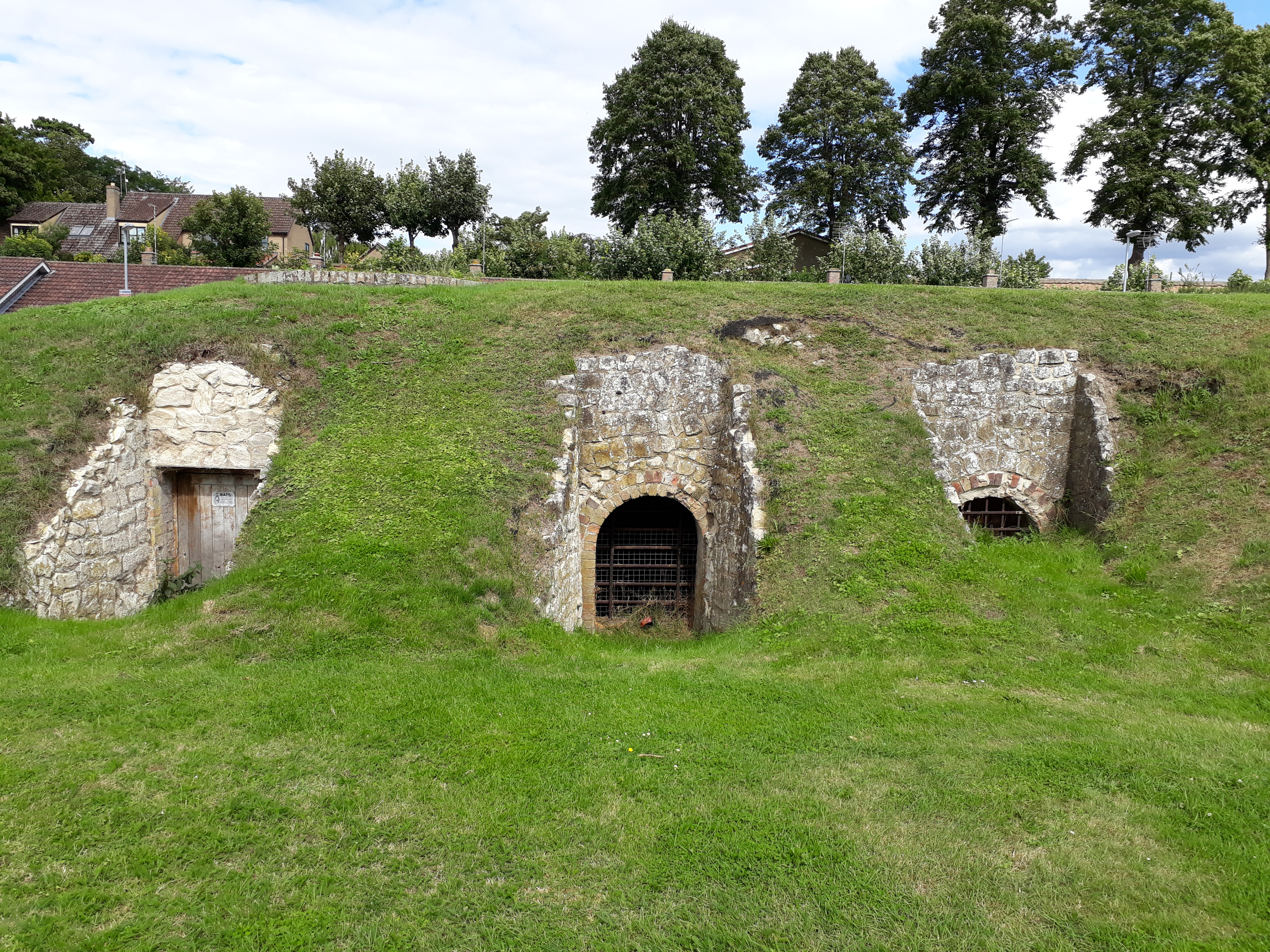
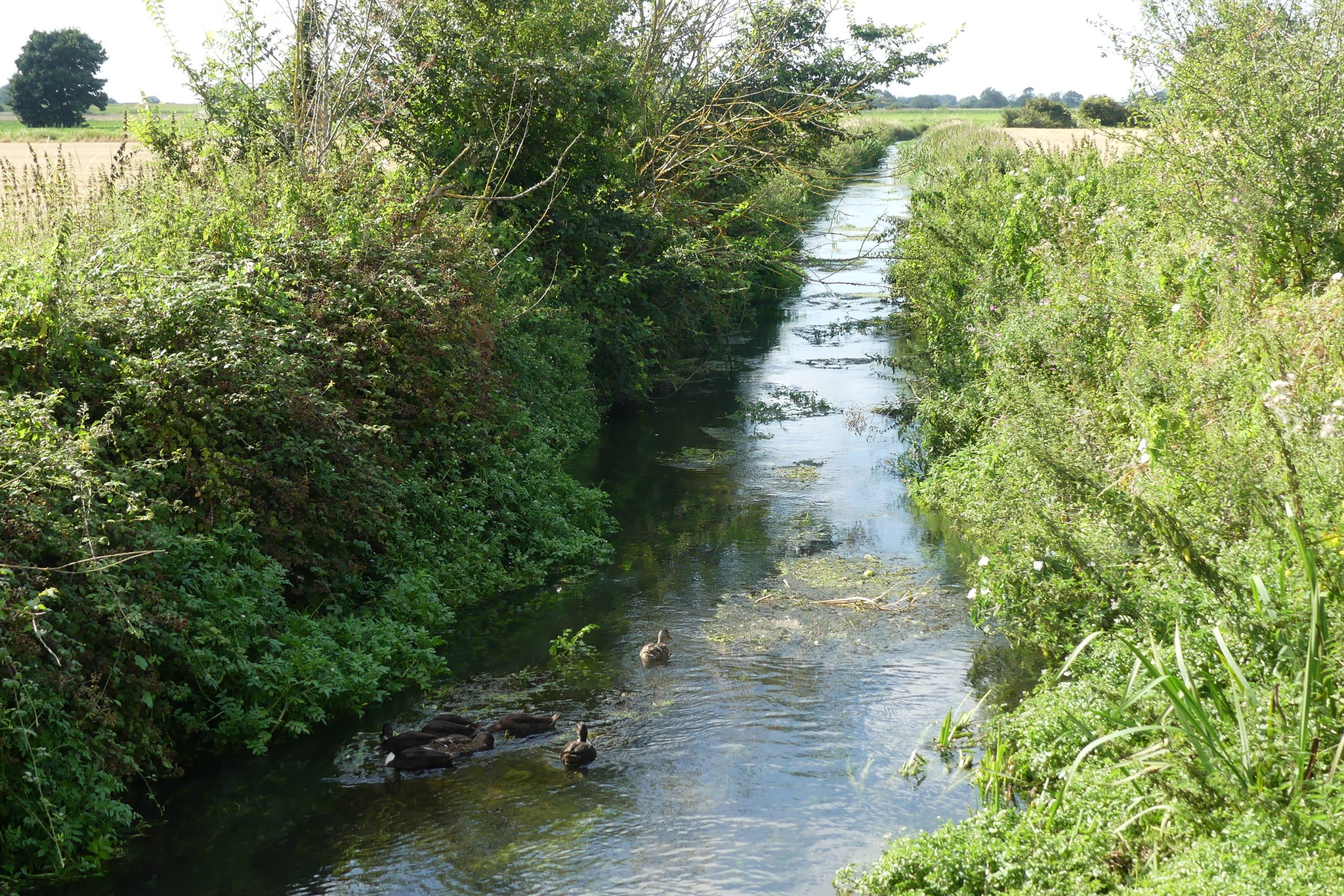
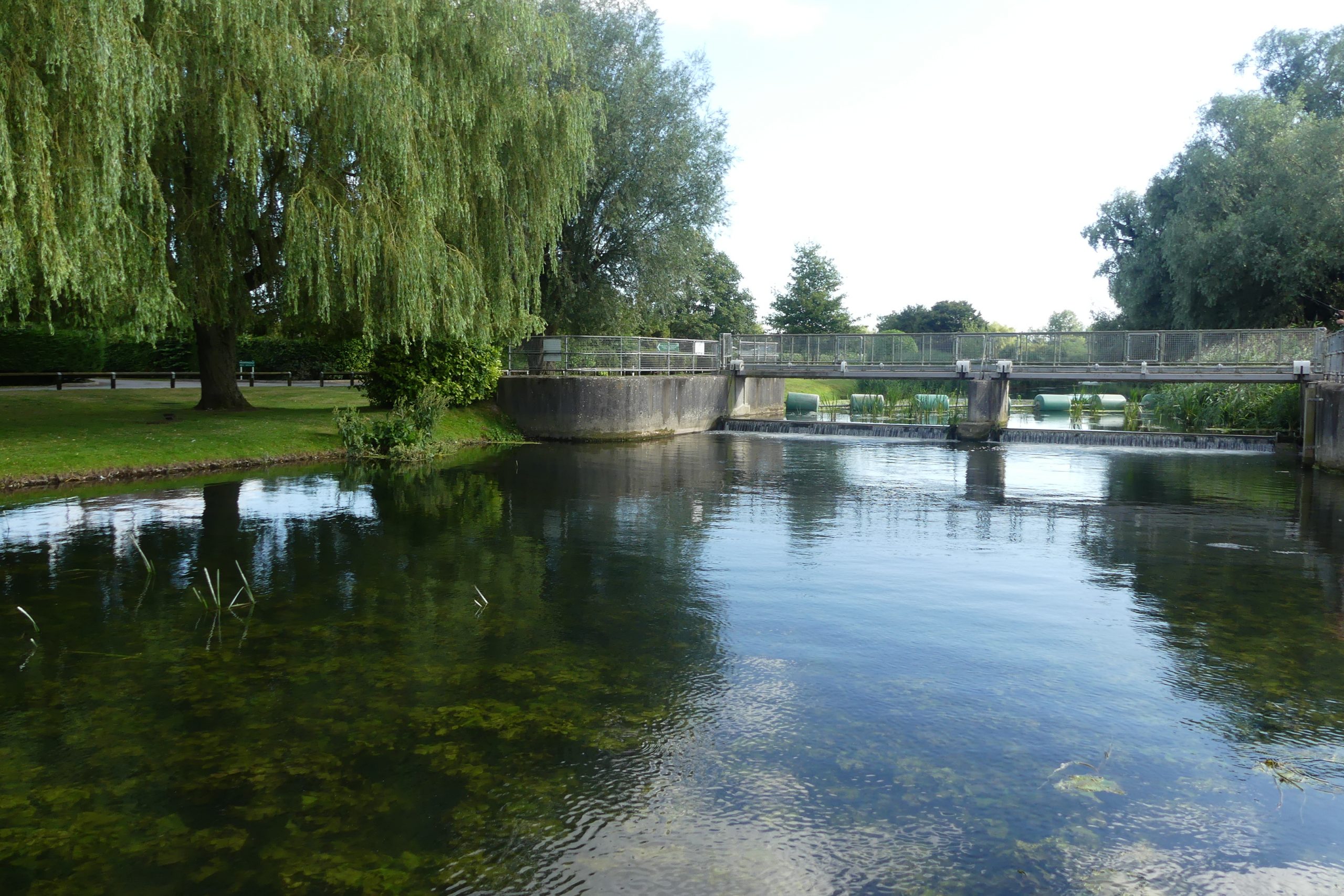
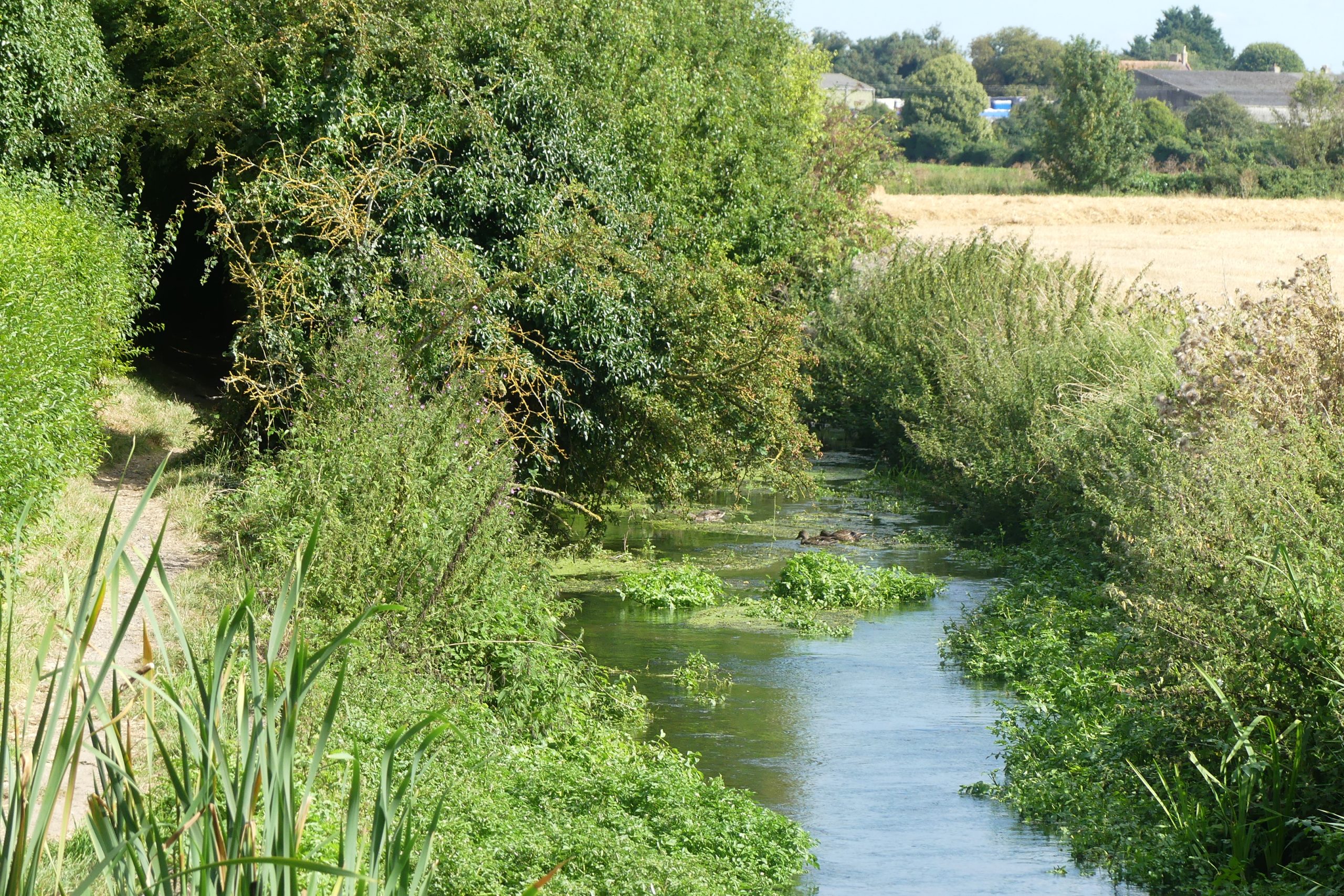
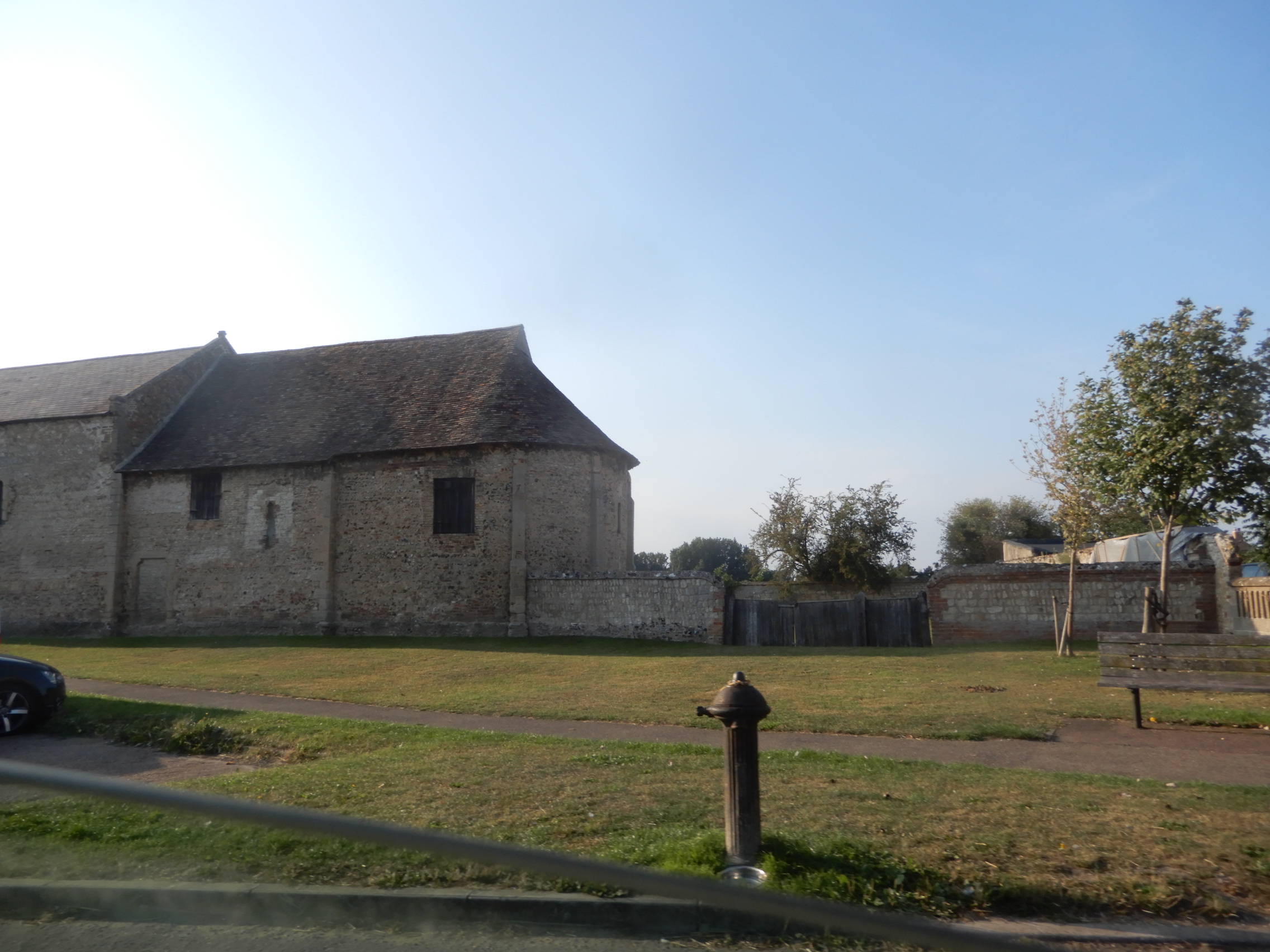
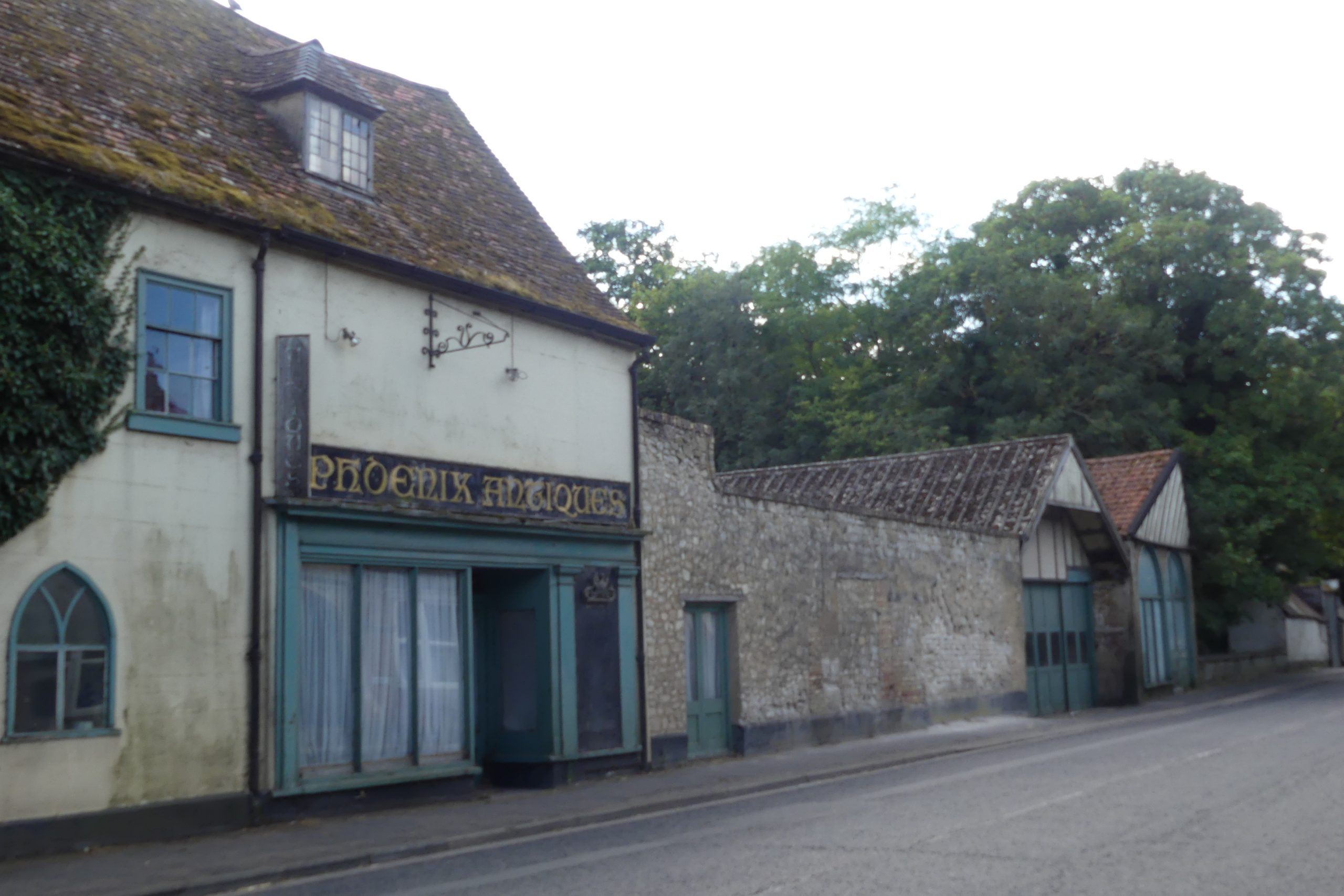
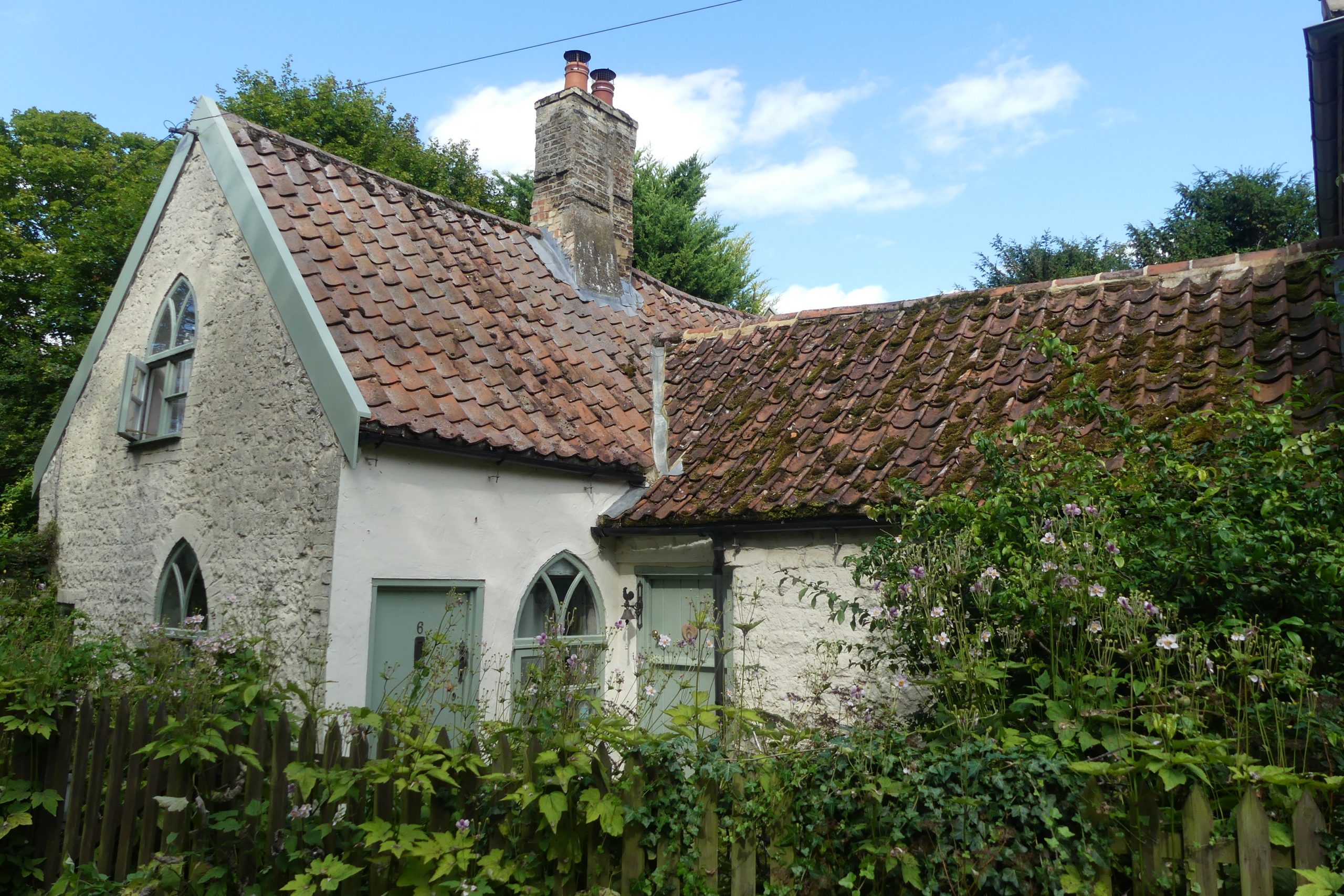
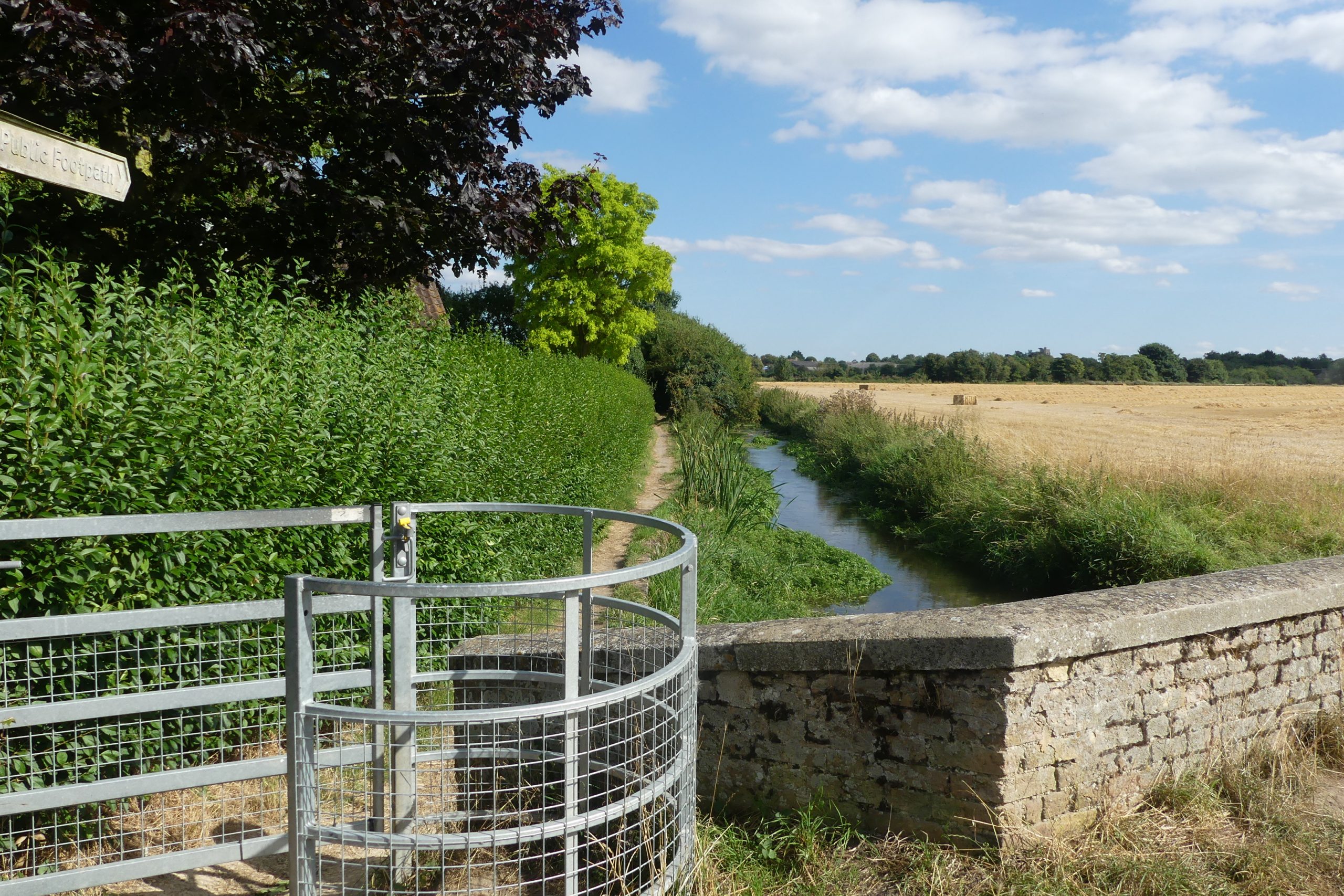
This walk is the last on Cambridgeshire’s Fen Edge Trail, which takes you from the border with Lincolnshire in the north west to the border with Suffolk in the south east. Fordham is a bustling village on the fen edge which boasts a chalk stream (The Snail). The route takes you alongside the Snail into the fen, passing the site of Roman building remains before entering Isleham, a village packed with history. Here, the walk passes the ancient Priory -the Church of St Margaret of Antioch, a scheduled monument (and Local Geological Site) of old Lime kilns and the impressive 12th century church of St Andrew before heading back out into the fen. Finally, you reach the end of the Fen Edge Trail at the Washes of the River Lark. The geology is mostly on the Grey Chalk with the prized Totternhoe Stone outcropping in Isleham, which is pockmarked with shallow quarries that date from pre-Medieval times.
Landscape and Geology
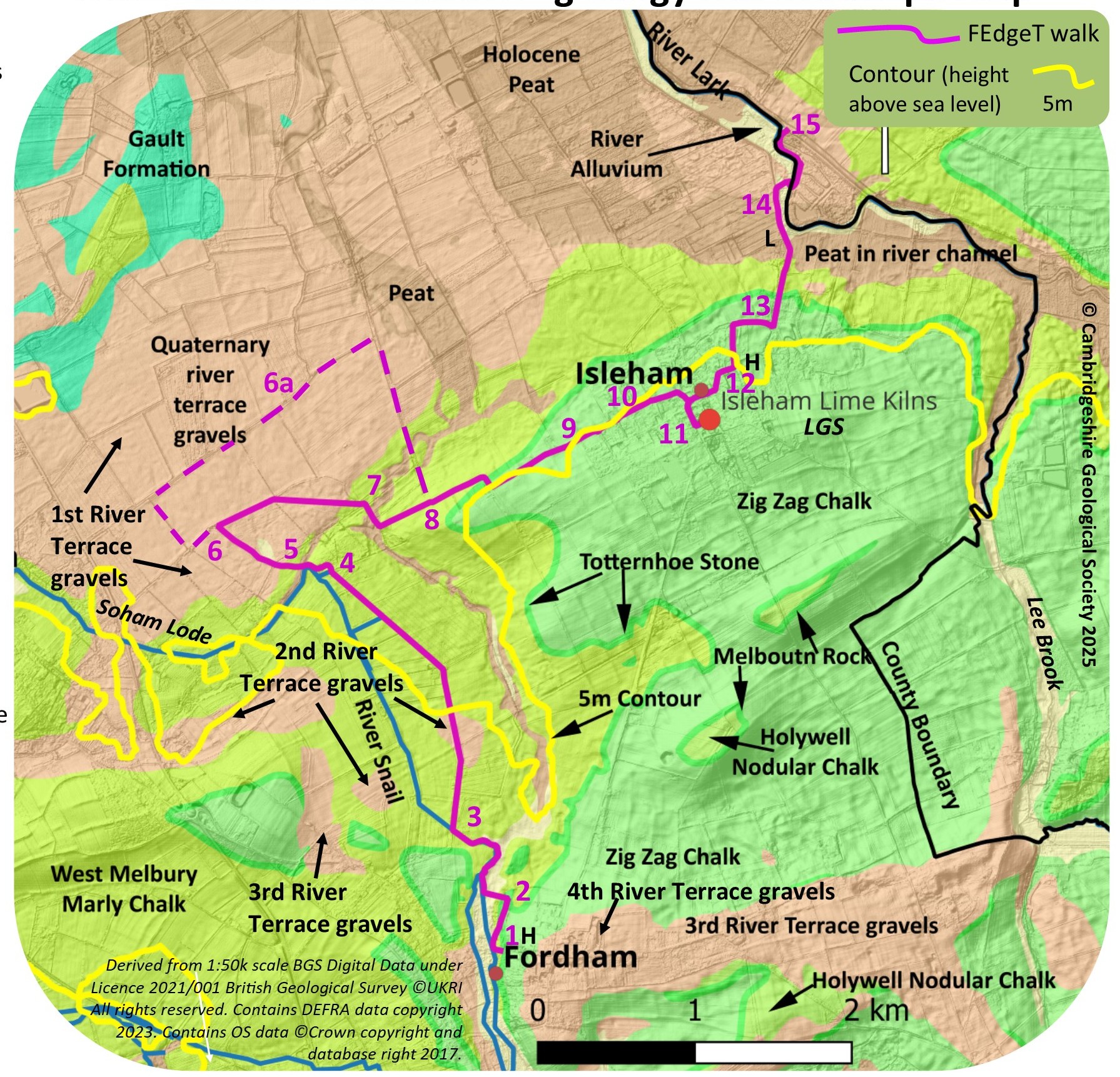
The bedrock here is Chalk, with a thickness of 33 metres (including 1m+ of Cambridge Greensand at its base) being found in a well dug in 1934 by a pumping station on the Fordham to isleham road. Under it lies the Gault clay, which is at the surface further north west. Much younger deposits, from the Pleistocene ‘Ice Age’ and the recent Holocene, overlie the Chalk in just a few places on the walk. The start of the walk is on the narrow band of the Totternhoe Stone, which is a hard layer of Chalk that forms the boundary between the oldest, lowest Chalk bedrock, the West Melbury Marly Chalk, and the Zig Zag Chalk. The walk then follows the small valley of the River Snail, infilled during the last few thousand years with Alluvium, a fine material carried along by the current. The next section passes over West Melbury Marly Chalk, a soft, clay-rich Chalk which can often be seen ploughed up in the fields.
The walk crosses a small patch of river sands and gravels from the 2nd Terrace and then the large area of 1st Terrace to the north. These river terraces comprise a complex series of deposits, mostly sands and gravels, that have been left by strongly-flowing river channels, precursors of the current Cam-Ouse system. As the river cut down at various times, the deposits formed a gradually lower (and younger) set of (roughly defined) terraces as the topography changed. All four terraces occur in this area; the higher parts of eastern Fordham lie upon the sands and gravels of the 3rd and 4th Terraces. Due to reworking of the material, the ages of the various spreads of gravel are difficult to assess but radiocarbon dating of fossils and other organic material has produced dates, covering both cold and warmer periods, from c.300,000 years ago to the end of the last glaciation c.20-12,000 years ago. In the marshy conditions of the last several thousand years (the Holocene), Peat formed over much of the (relatively impermeable) marly Chalk and the gravels, but now remains only in small patches; this includes some thin ribbons along the previous courses of water channels, which carved incised “valleys” into the Chalk, shown by the southward detours of the 5m contour.
After climbing back over the 5m contour, onto the Zig Zag Chalk above the Totternhoe Stone, the walk then goes back down the succession of the Chalk and onto the Peat and Alluvium in the valley of the River Lark.
THE ISLEHAM SOCIETY
Thanks to the Isleham Society for help in developing this walk. The Isleham Society encourages an interest in the village and its surroundings with a particular focus on history and heritage. The society also initiates and contributes to events which benefit the village community.

© Cambridgeshire Geological Society